

Footprints of Dunstan- Where the Devil Ran
An exploration of St.Dunstan within the landscape.

Some saints do not stay in the church. They escape the hagiographies, slip past the cathedral doors, and settle into the ground itself - into the names of springs, the shape of frosts, the rhymes farmers use to read the sky. St Dunstan is one of those saints. Archbishop of Canterbury, patron of blacksmiths, the bishop who outfoxed the Devil with a pair of red-hot tongs - his story is well known. Less well known is where the story went after it left the page.
This post follows the geography. The places across southern England where Dunstan's legend stuck. It became the explanation for why the spring at Tunbridge Wells runs red, why the frost comes late to Devon orchards, and why a village in Sussex keeps a pair of iron tongs in the church and shows them to anyone who asks. Following Dunstan's trail across the landscape tells you how legend works as a living explanation for the world you can actually see.

Franklin Nights - The Devil’s Window
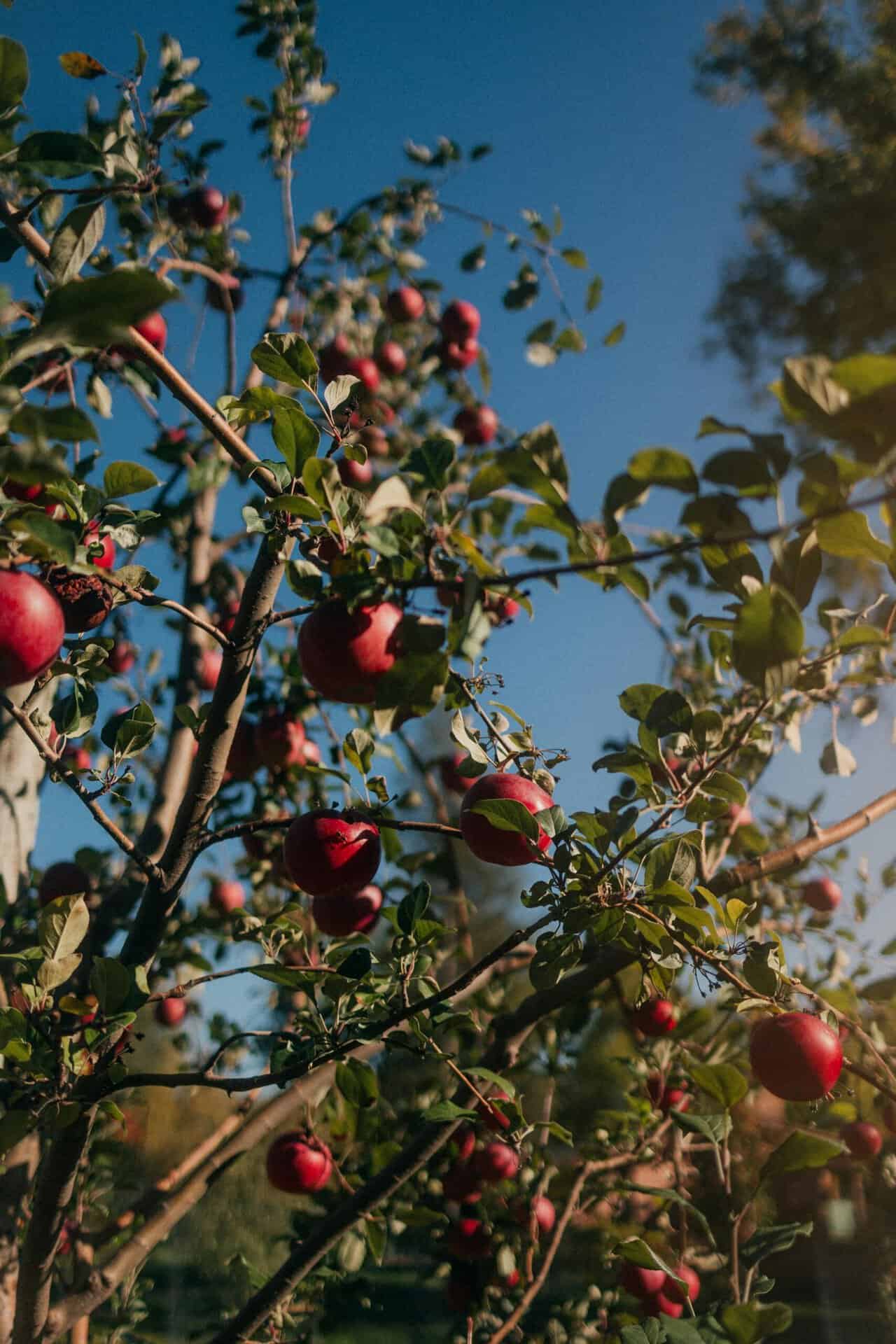
In the orchards of Devon and Somerset, between the 17th and 21st of May, farmers kept a close eye on the sky. The apple blossom is out by then, but very fragile - frost at that point can strip a year's cider crop in a single night. The stretch of late cold that sometimes descends at the end of May had a name in the West Country: the Franklin Nights. Or, in some corners, St. Dunstan's Frosts.
The explanation attached to those dates is purely Dunstan. The story runs that he had overstocked on barley and was concerned his beer would lose out to the more popular local cider. The Devil, ever useful to those with a grievance and a soul to spare, offered a solution: he would send killing frosts in late May to ruin the apple harvest and shift trade in Dunstan's favour. The exchange came with conditions - Dunstan being Dunstan, he negotiated the frost into a narrow window, the 17th, 18th, and 19th of May. The bargain honoured the pact while keeping ruin from becoming certain.
A version from Culmstock, Devon, places a cider-maker facing down the Devil on a bridge on the 21st of May - a duel to decide the fate of the season. The "Old Frankan" who appears in other retellings may be a folk memory of Dunstan himself, or a stand-in figure who absorbed the same legend in a community where the bishop's name had faded but the warning hadn't.
Some version of this myth directly point to the May frosts as being a continued retribution by the devil - the devil casting frost as he ran from the forge, and continuing to do so year after year.
There’s two version of this same myth that we’ve heard in Kent, one, once again featuring the apples. This time, he simply wanted his neighbours crops blighted and his left to flourish, as he saw his neighbours being immoral and greedy. Which fits in with his hagiographical account of changing his protective and nurturing behaviour in the face of immorality.
Another version sees it in a more protective light- he wants protection for his crops… but does not negotiate on behalf of his neighbours, who should know to protect their crops through spiritual means themselves.
Many say this version of the story is actually a further addition to his earlier iron pacts with the devil, a continuation of him negotiating protection with the devil, rather than deliberately cursing his neighbours crops.
The other version of the story- perhaps unsurprisingly- features the Hops. This oral tale is distinctly Kentish in tone, most likely in source from the Kentish Canting Tribes, or the Hoppers Tribe- with Dunstan meeting the Devil on a caterway rise- a cross bridge (A bridge that ends in two crossroads).
Dunstan wants to find a good crop of hops for the gruit for his beer/cider, and trades with the devil for this good crop, as the Devil is seen to be the ruler of wild, untamed spaces. However, instead of his foraging flourishing, the devil curses his neighbours crops instead and causes their blackthorns to bloom- the encroachment of the wild on to the cultivated. Leaving only the wild native hops in the hedgerows alive and visible through the barren fields. This in turn sometimes acts as a sort of divine predisposition of Hop farming in Kent, and also leant to their “immoral” understanding that was so prevalent in the 1500s.
(It should be noted that hops were in use for alcohol flavouring at this time (And have been found in burials since the Anglo-Saxon period)but were not a widespread, commercially viable crop until the 1400s. So this is a differing variant of the story- more in line with Canting Tribe nomadic foraging or wild farming stories, rather than traditional farming practices as seen within non-canting communities.)
The Mayfield Tongs of St.Dunstan
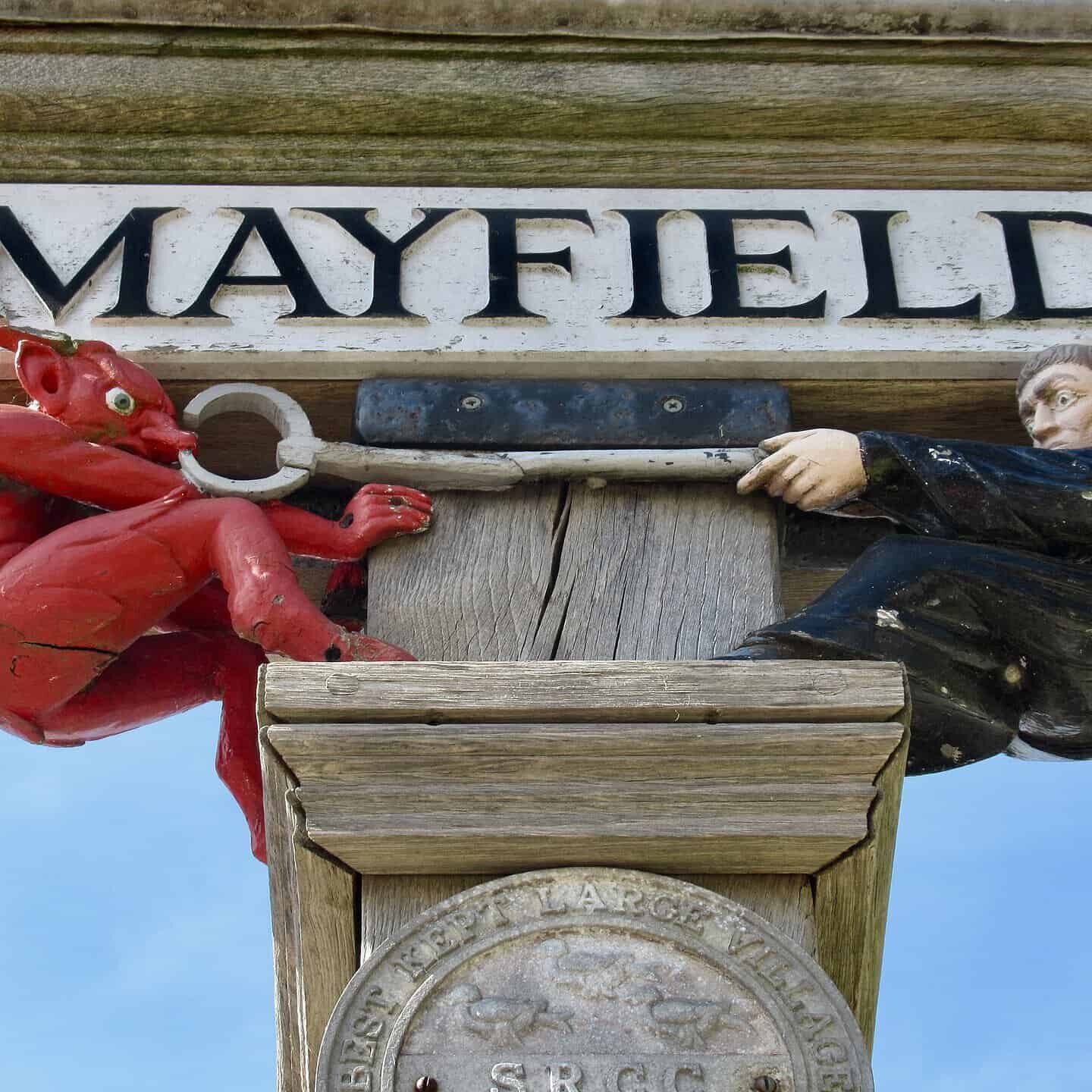
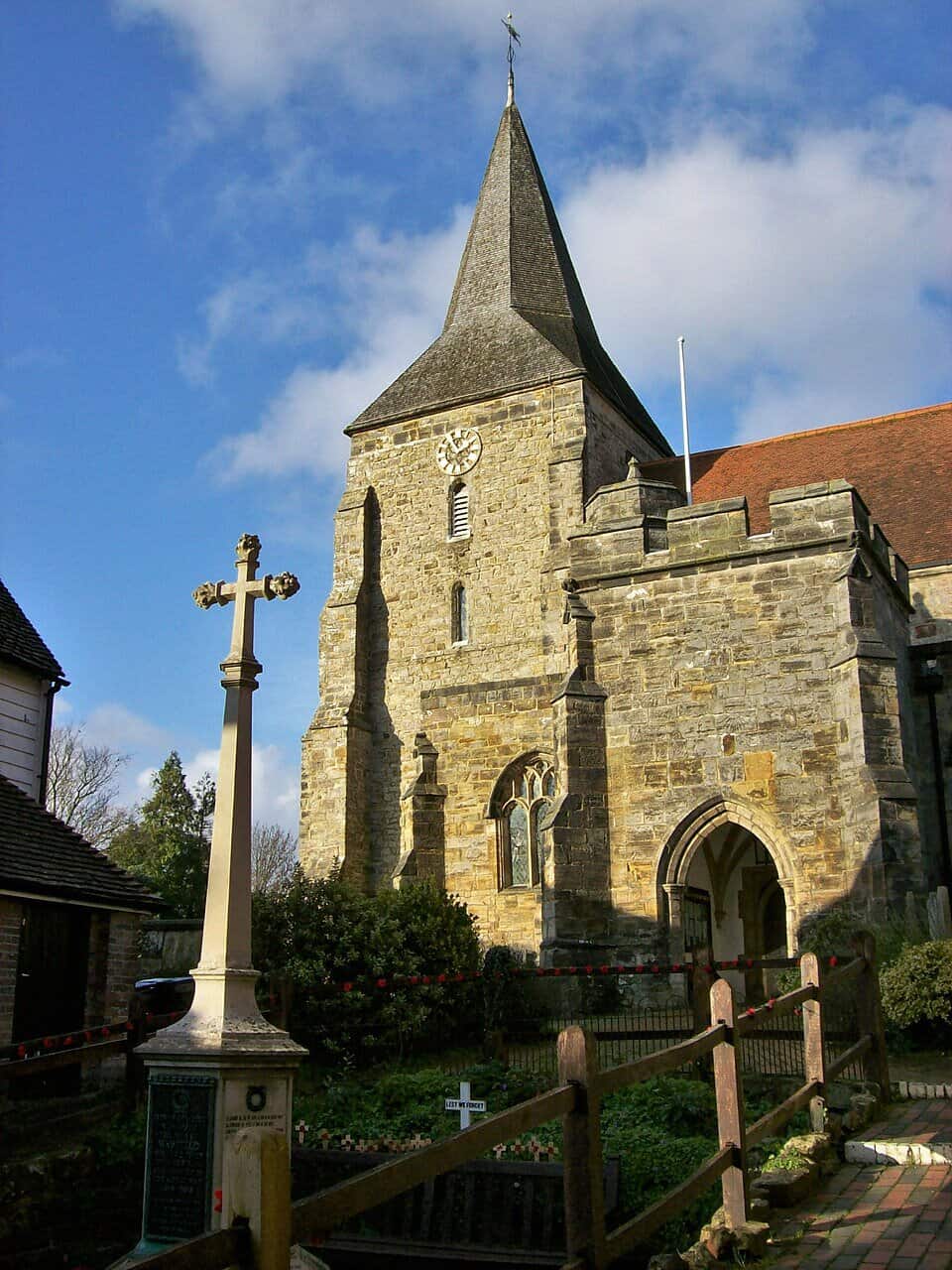
Mayfield sits on the Kent-Sussex border and claims, with the (probably unfounded) confidence of a village that has decided this question for itself, that the Devil-nose encounter happened there. The iron tongs in the parish church are presented as the actual ones - and in Mayfield, that claim has never been seriously challenged. (In reality, the tongs are dated to at least a few centuries after Dunstan’s death)
Whether any pair of medieval tongs can be definitively traced to a specific interaction with the Prince of Darkness is, perhaps, beside the point. Pilgrims came to Mayfield for centuries because of it. The village held an annual three-day fair beginning on the vigil of St. Dunstan's Feast - the 19th of May - drawing traders, pilgrims, and merrymakers from across the Weald. Villagers attended Mass in the morning and descended into celebration by afternoon.
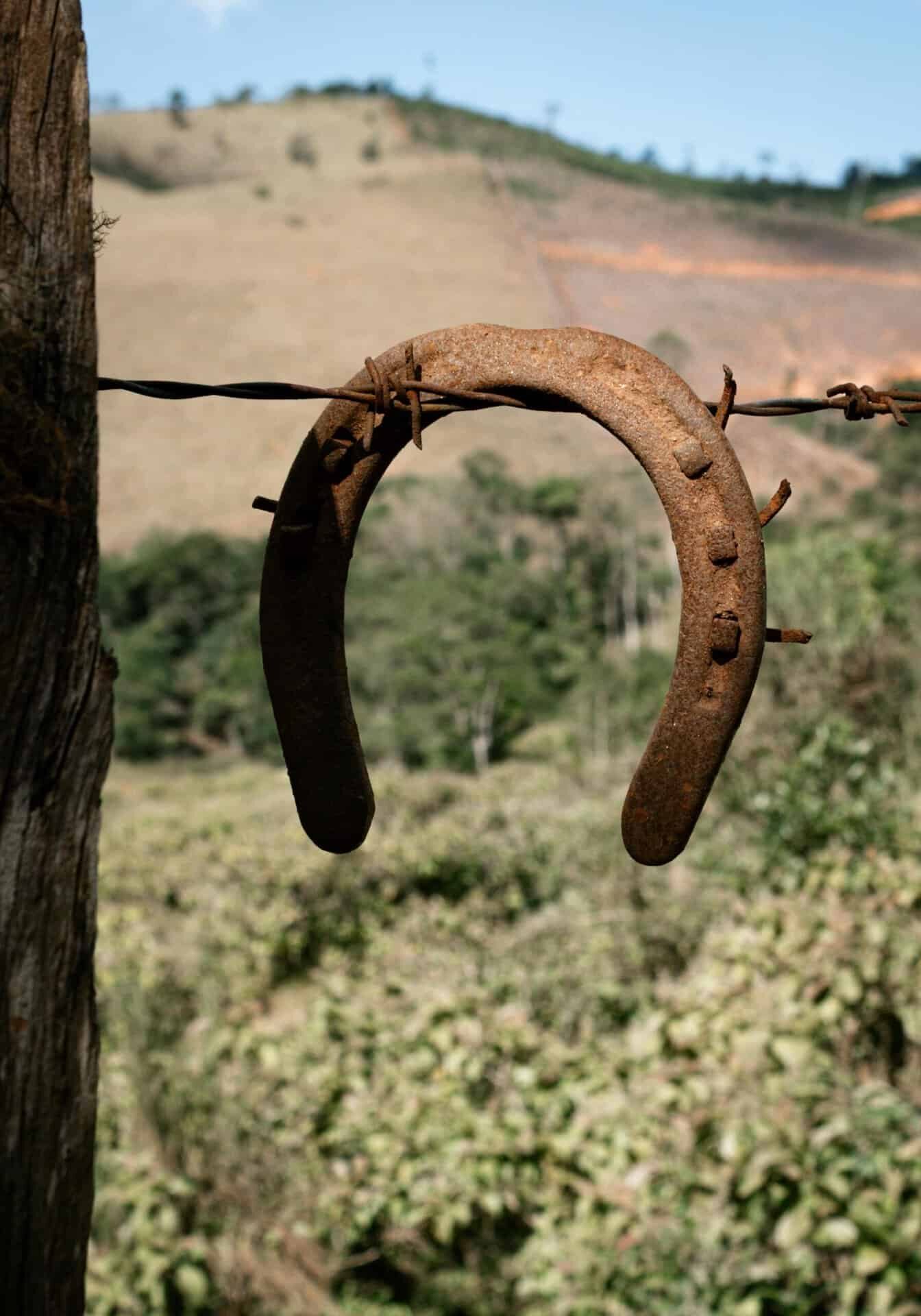
Mayfield carries another version of Dunstan's bargain with the Devil, this time tied to the village itself. After the convent had been built, the Devil threatened to pull down every house in Mayfield. Dunstan answered with terms rather than force. He persuaded the Devil to spare any house that carried a horseshoe on the outside, relying on the fact that the custom was not yet widely known. The Devil accepted, and Dunstan moved faster than him, fixing horseshoes to the village houses before the threat could fall. In that telling, the familiar horseshoe charm becomes a local rescue: an iron mark placed under pressure, house by house, before the Devil reached the door.
The Devil's revenge was aimed at the church. Mayfield's first church was still wooden, and the story says he kept twisting it away from its proper east-west alignment, leaving Dunstan to set it right again and again. When the later stone church was built, the Devil hindered that work too. The legend gives Mayfield more than a relic in the church- It makes the whole village part of the bargain: houses protected by horseshoes, a church repeatedly dragged out of order, and Dunstan correcting the line as fast as mischief could bend it.
The Reddened Water of Tunbridge Wells
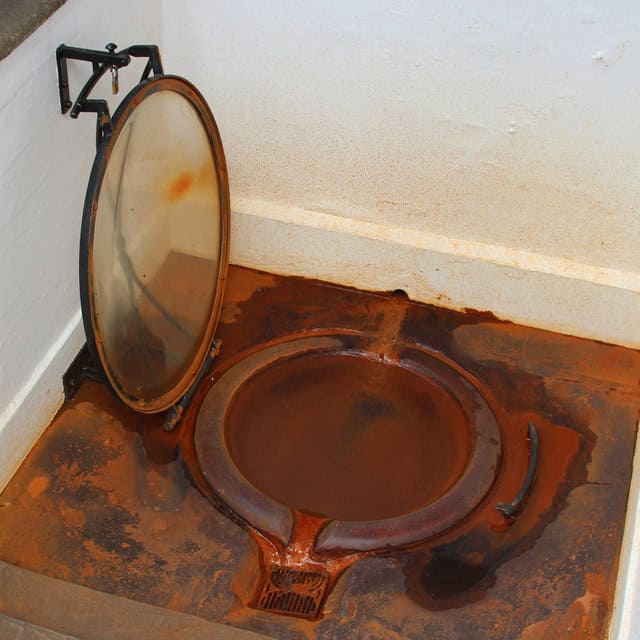
The chalybeate springs at Tunbridge Wells are probably the most famous of the Dunstan wells and the ones with the most clear cut legend attached. These wells run red-brown, stained by iron minerals leaching through the sandstone- the geological explanation is well-established. The folk explanation is more satisfying: when the Devil plunged his scorched nose into the spring to soothe the burns Dunstan had given him, the heat he carried passed into the water, and the water has run that colour ever since. The other variant of the story has him bleeding into the well from the same wound (or occasionally the wounds on his feet).
You can still visit the Chalybeate springs today.
St Dunstan's Wells - Lost Springs and Roaring Water
The water thread does not stop at Tunbridge Wells. Across England, and in at least one Scottish Borders record, Dunstan's name attaches itself to wells, springs, and lost water sites. Some are still traceable...
Across England, and in at least one Scottish Borders record, Dunstan's name attaches itself to wells, springs, and lost water sites. Some are still traceable. Others survive through local histories, holy well catalogues, Ordnance Survey markings, or stray antiquarian notes. Together, they widen the pattern already seen at Tunbridge Wells: Dunstan belongs to water that has been marked as useful, holy, curative, uncanny, unusually deep, or difficult to explain.
At Mayfield in East Sussex, St Dunstan's Well sits directly inside the wider Devil legend. Recorded as a holy well or sacred spring, it was located near the old kitchens and described as having considerable depth - reputedly as much as 300 feet - with water of unusual purity. Pilgrims visited it, and it was enclosed by four walls, with one entrance and a pitched slate roof. The well lies in the grounds of the former convent school, where access has historically been possible by appointment.
It is also remembered as the roaring spring, said to roar in memory of Dunstan's encounter with the Devil. That sound folds the well into Mayfield's wider claim on the story: the tongs in the church, the Devil's pain, the houses protected by horseshoes, the church dragged out of alignment, and water itself left as a witness.
Further west, St Dunstan's Well at Stoke St Michael, in the Mendips, works differently. Here the "well" is the resurgence of an underground river. Water from Stoke Lane Slocker disappears into the limestone and returns in force, feeding a pool that now forms part of the St Dunstan's Well Catchment SSSI. Horne notes no surviving tradition of healing attached to the place, so it cannot be treated like a straightforward curative holy well. Ruth Tongue, however, records that the site was regarded as uncanny. It was not remembered for a neat miracle cure, but as a charged piece of landscape- possibly more in line with the “cursing” well tradition. Possibly due to the fact that the well springs up from the Underworld.
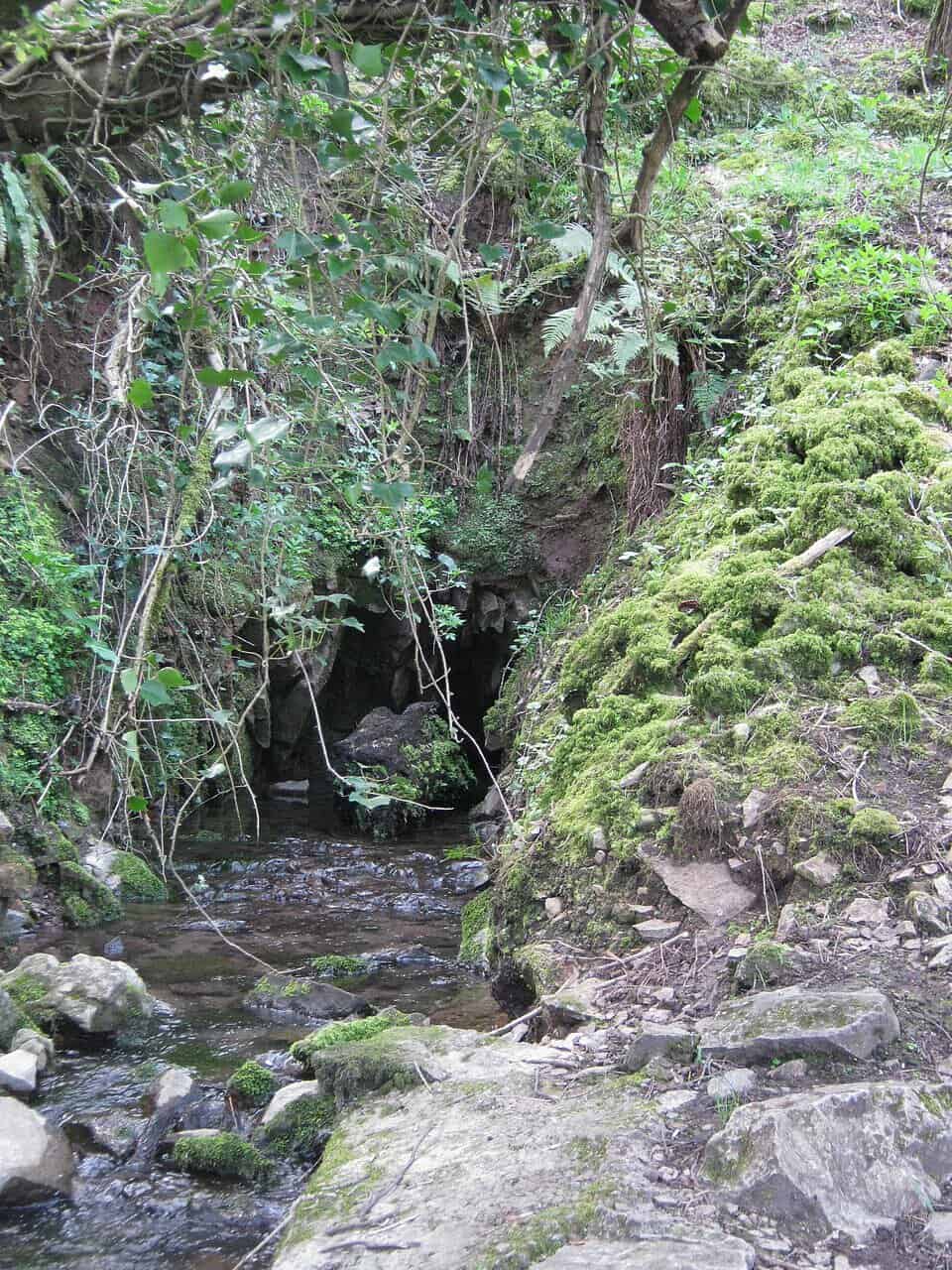
St.Dunstan's Well at Stoke St.Michael.
At Witham Friary in Somerset, the tradition becomes more explicitly curative. St Dunstan's Well stands near St Dunstan's Gate and is probably the well mentioned in an old Perambulation of Selwood. It is marked on the Ordnance Survey map as St Dunstan's Well, and Tongue records a local belief that its waters healed epilepsy. That is a sharper claim than the usual vague reputation for blessing or general healing. Whether the cure was widely sought or only locally remembered, the tradition gives the well a clear folk-medical function.
London also had its Dunstan wells, though the city has swallowed most of them. Tottenham Wood, in the Alexandra Park and Palace area, once contained a St Dunstan's Well celebrated for its curative properties. Like many London springs, it has vanished from the visible landscape and survives in record. The Megalithic Portal also lists a St Dunstan's Well in Greater London as a lost holy well, which fits the Tottenham Wood reference. Other surveys of London's holy wells, including Furlong's work, mention a St Dunstan's Well among the capital's vanished or absorbed sacred springs, though the details are sparse. Even without a full body of lore, the dedication shows Dunstan's name present in London's old sacred-water map.
York gives the pattern a northern reach. George Benson's history records a holy well of St Dunstan "near the Glass Works" at Fishergate, on the south side of the city. It does not appear on early Ordnance Survey maps, and modern surveys treat it as a lost holy well, but the wording is still worth keeping. It was remembered as a holy well, not only as a named water source. In a city already thick with saints, churches, and layered sacred geography, Dunstan still found a place near water.
Further north again, a catalogue of holy wells in the Scottish Borders lists St Dunstan's Well at Melrose as still extant, though it gives no lore beyond the dedication. That absence is frustrating, but the name still tells us something useful. Dunstan's cult was not confined to Wessex, Canterbury, Sussex, or the West Country. His name travelled, and in some places it attached itself to landscape water features rather than churches, relics, or guild traditions.

Chalybeate Spring, Dunlornan Park, Tunbridge Wells.
Taken together, these wells suggest a wider Dunstan water-tradition sitting alongside the better-known Devil-and-tongs legend. His name gathers around springs that heal, that roar, and uncanny springs that rise from the underworld. The Northern Antiquarian's note on the York well mentions other wells in his name in Kent, Somerset, Sussex, and Tottenham, suggesting a scattered network of obscure or lost sites. Some can be pinned down. Others remain as fragments: a dedication, a curative claim, a local memory, a mark on an old map, forever lost beneath a business park.
The logic still suits him-Dunstan is a saint of practical intervention. He grips, hammers, bargains, rebukes, and leaves marks behind. In the well traditions, the mark is water: brought forth, changed, enclosed, visited, feared, or remembered after the spring itself has gone. These wells carry his legend out of the forge and into the ground.
Brookland Church and the wayward spire
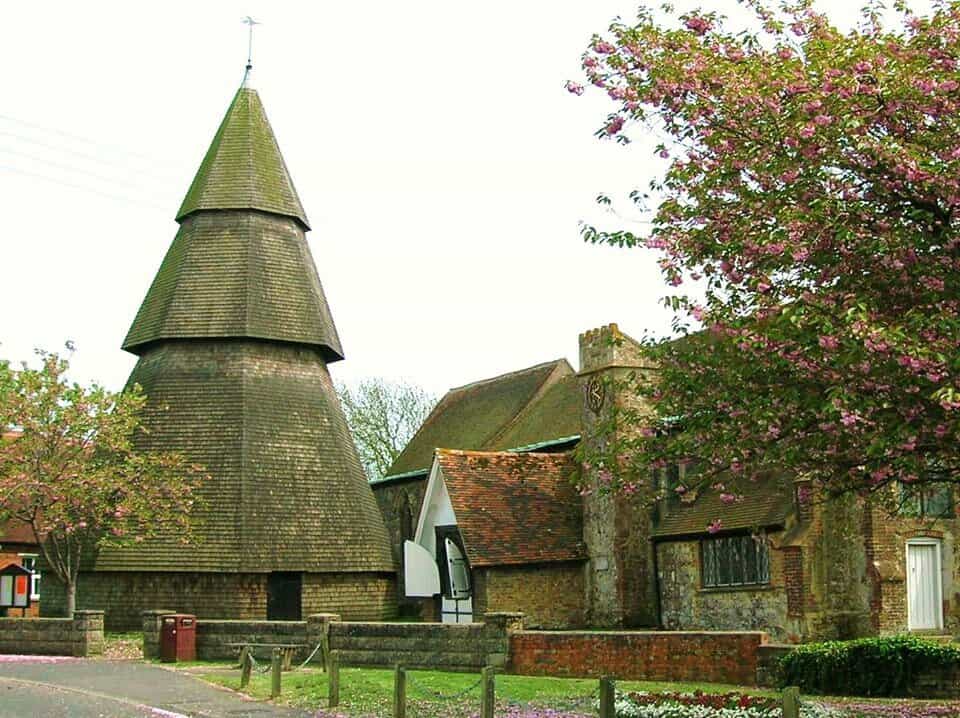
The church at Brookland has one of the more unusual architectural features in Kent: a detached wooden steeple, sitting separate from the main building. Local legend attributes this to the Devil. The story runs that he tried to steal the steeple, and got some distance with it before Dunstan gave chase. The steeple was dropped somewhere near Hastings when Duncan smacked the Devil with his tongs.
After the chase, Dunstan cooled his tongs in a spring in the Silverhill area. That spring became a chalybeate source. The iron content, in the logic of the legend, comes from the tongs: heat transferred from forge to iron to water, just as at Tunbridge Wells. Across Kent, the same regional logic keeps appearing: a saint's physical intervention, a spring marked by it, water changed by the encounter, and Dunstan's presence connecting them.
The other legend connecting the devil to the church is that when the bells were too much for the devil, he took the bells himself, slipped on the way back down, struck a stone that now carries his hoofmark, and the bell rolled into a nearby stream, causing the local well to turn red. No St.Dunstan is mentioned in this variant.
Maritime Connections - The Saint and the Sea
Dunstan's presence along the southern coast is persistent and specific, especially in churches tied to marshland, docklands, and sea-going labour.
At the church of St. Dunstan on Romney Marsh, a painted ship on the north wall - positioned directly opposite the main entrance - once marked the building, according to local tradition, as a safehouse for contraband. This ship image is actually the oldest image of a specifically identifiable ship- the Regent, launched in 1488 and fitted out via Rye. Smuggling lore in the Marsh is well-documented, and the use of churches as storage points was common enough to be unremarkable. In 1743, a haul of tobacco was found in the church belfry. A cask of Dutch gin was later recovered from under the vestry table. The saint, it appears, had no objections. (Perhaps because he wasn’t a stranger to the idea of playing just outside of the rule book). Also of note is the amount of ship based apotropaic symbols on the church walls- a type of folk magic to protect sailors at sea. St.Dunstan was a Saint known for his protective qualities, so carvings in his church for such purposes made a lot of sense to folks at the time.
St.Dunstan was also well loved by sailors and dock workers- his work in metalworking and craftmanship- industrial crafts- made him an easy patron for ship builders and their kin- he was a saint who’s put the work in and was vastly approachable by prayer.
Further east, the East End of London had its own relationship with Dunstan through the parish of Stepney. St. Dunstan and All Saints - the "Mother Church of the East End" - carried a peculiar tradition: all children born at sea, it was claimed, belonged to Stepney parish. The rhyme ran: He who sails on the wide sea / Is a parishioner of Stepney. Courts challenged this periodically, but the tradition persisted well into the nineteenth century.
The Cockney's Feast, held each spring in the church precincts, raised money to apprentice local boys into seafaring trades - binding the saint's patronage directly to the work of getting those boys onto ships and out onto the water. St.Dunstan seemed to have a particular concern with improper burials and lack of spiritual protection over children- so keeping all children at sea under his wing fits in well with his earlier hagiographical records.
The horseshoe tradition extended naturally into maritime use. Nailing a horseshoe to the mast was documented practice among sailors and shipwrights, particularly in coastal Kent and London's docklands. The same logic that kept iron above a front door kept it above the deck: the Devil's pact, Dunstan's guarantee, worked iron as the physical record of an agreement made generations ago. The reasoning holds whether the iron is fixed to a door frame or a ship's mast - you are placing something the Devil has already agreed to respect.

St. Dunstan, Romney Marsh

St. Dunstan, Stepney
Rival Claims- the Glastonbury Relics
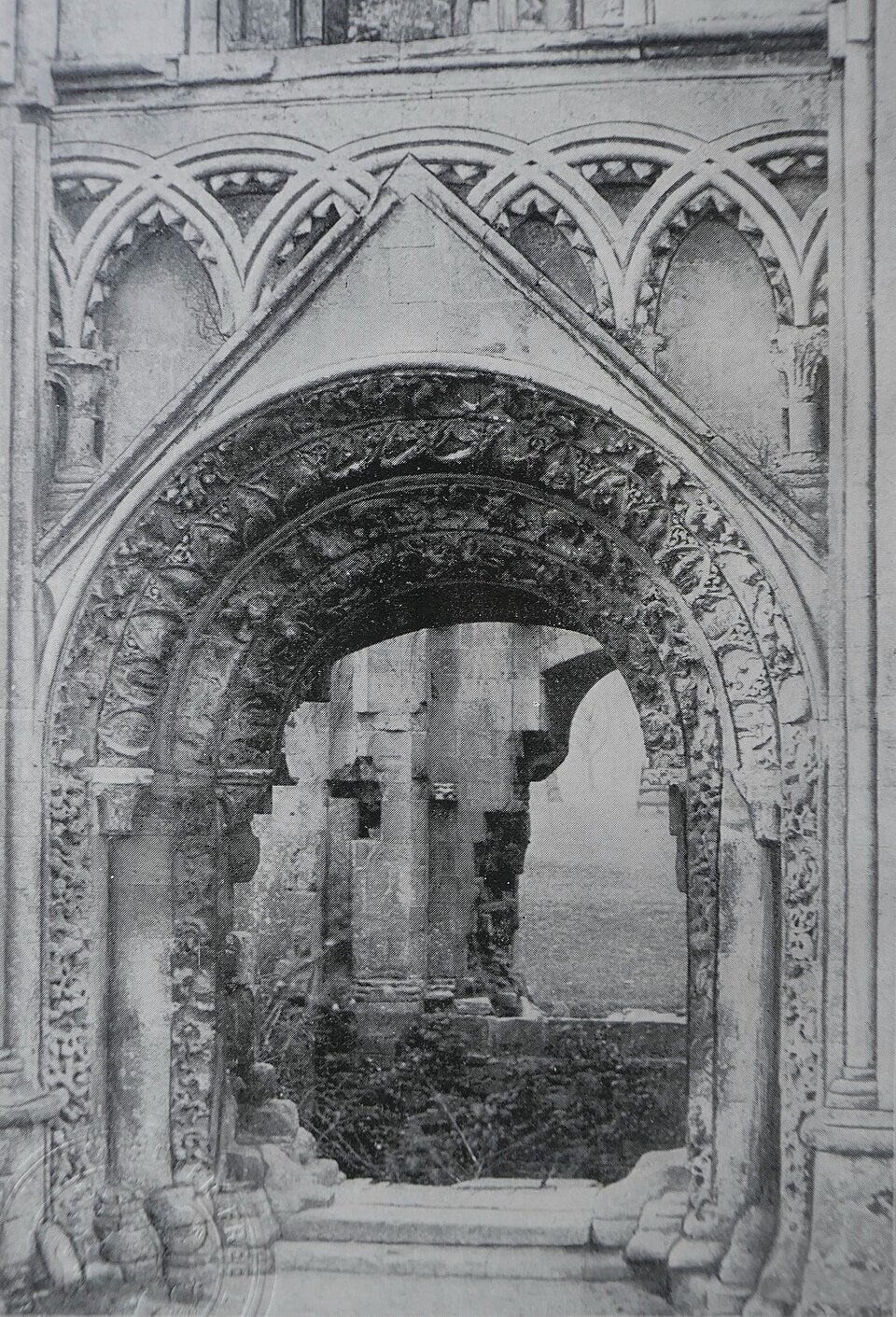

Canterbury is where Dunstan is buried, where his tomb became a shrine, and where pilgrims came for miracles in the centuries after his death in 988. Before Thomas Becket arrived to eclipse him, Dunstan held the position of England's most popular saint. The monks of the cathedral maintained his stories, elaborated them, and used them to anchor Canterbury's authority over his memory.
The Glastonbury claim has always complicated this. According to the Abbey's tradition, during the chaos of the Danish attack on Canterbury in 1012, monks spirited Dunstan's relics back to Glastonbury under cover of night. Miraculous bells rang as the bones arrived. Glastonbury kept its own Dunstan feast from that point, running in parallel with Canterbury's official observances. Canterbury refused to acknowledge the move. Both institutions maintained shrines. Pilgrims visited both. For centuries, no one formally settled which set of bones was genuine.
Cantebury did go back and check on the bones of St.Dunstan and said they were still in Cantebury- ultimately we’ll never know because the Reformation destroyed both places.
The Map as Living Folklore
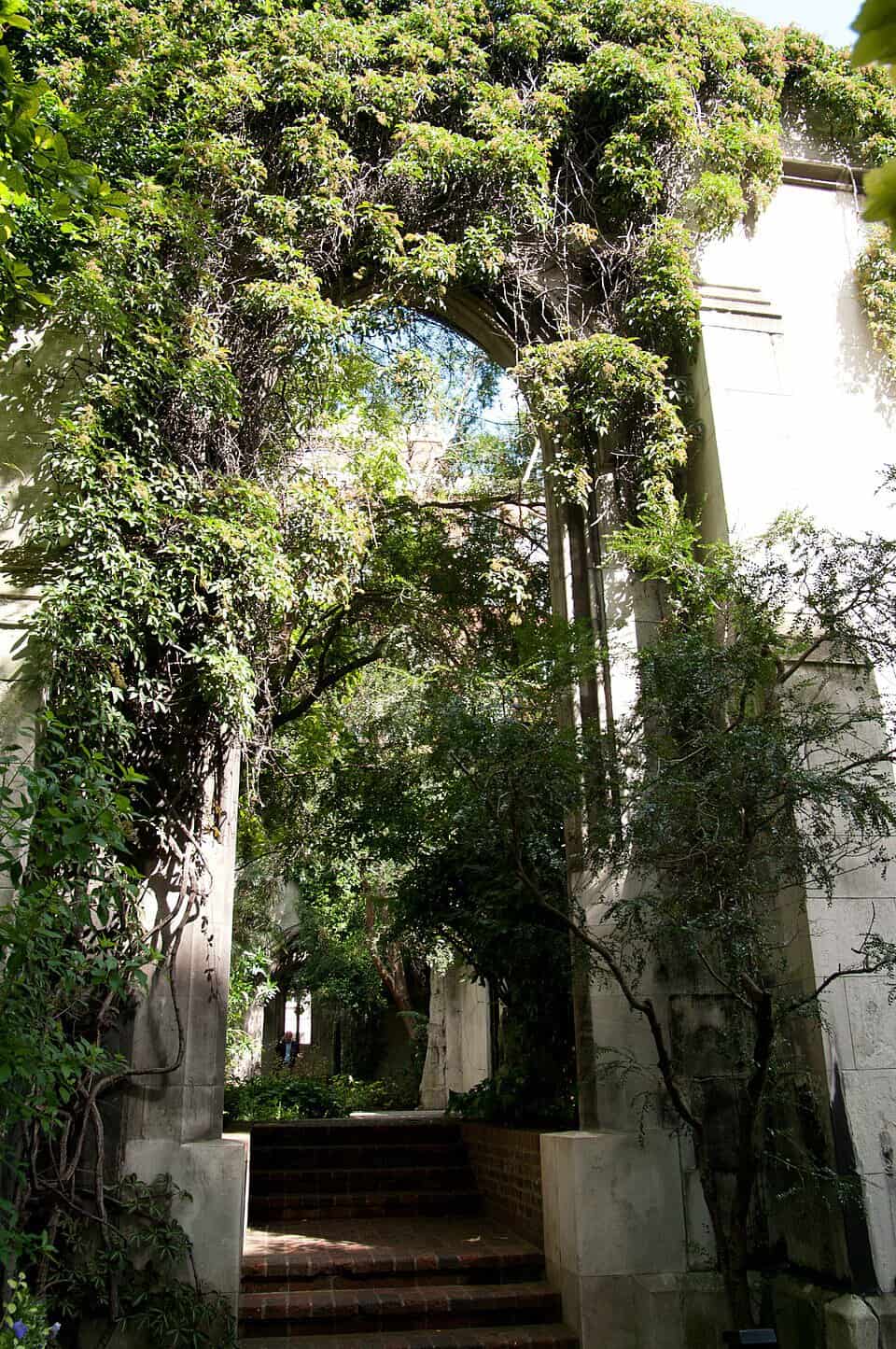
Following Dunstan across southern England and up into the North- from the frost-threatened orchards of Devon to the Dockyards of the Southern coast, from the red-stained spring at Tunbridge Wells to the detached steeple at Brookland - a pattern emerges that goes beyond individual stories.
The landscape needed explanation: why the water runs red, why the frost comes when it does, why the steeple stands where it shouldn't, why iron hung at a door or fixed to a mast keeps something out. Dunstan provided explanations that were specific, place-attached, and grounded in a recognisably practical fashion. His interventions are physical- they leave material traces: springs, tongs, horseshoes, particular dates on the calendar, reddened water, a steeple in the wrong field.
For practitioners working with the old traditions of threshold protection, Dunstan's landscape gives a practical pattern: worked iron protects because story, labour, and place have all marked it. It carries the logic of the forge, the specificity of a bargain, the memory of a particular encounter. They're all teachable moments- things practitioners and non practitioners alike can learn from- each layer reveals something new.
The land from Devon to Kent is still legible in this way, if you know what to look for. Following the map takes you deeper into how the tradition actually functions.
Primary & Medieval Sources
- Osbern of Canterbury, Life of St Dunstan - c. 1090s
- Eadmer of Canterbury, Life of St Dunstan - c. early 1100s
- Memorials of Saint Dunstan, ed. William Stubbs - Rolls Series, 1874
- William of Malmesbury, Vita Sancti Dunstani / Glastonbury material
- Canterbury Cathedral tradition - St Dunstan’s tomb, relic translation, and posthumous miracles
- Glastonbury Abbey tradition - rival claim to St Dunstan’s relics
Historical & Antiquarian Sources
- John Aubrey, Miscellanies - 1696
- William Hone, The Every-Day Book - 1826
- Walter Thornbury, Old and New London, vol. 2 - Cassell, 1878
- Online: Internet Archive - https://archive.org/details/oldnewlondonnarr02thor
- Robert Means Lawrence, The Magic of the Horse-Shoe: With Other Folk-Lore Notes - 1898
- Online: Project Gutenberg - https://www.gutenberg.org/files/57411/57411-h/57411-h.htm
- Online: Internet Archive - https://archive.org/details/magicofhorseshoe98lawr
- Ebenezer Cobham Brewer, Dictionary of Phrase and Fable - 1898
- Percy Dearmer, The Little Lives of the Saints - 1904
- Online: Anglican History - https://anglicanhistory.org/dearmer/lives/09.html
Folklore Collection Sources
- Ruth L. Tongue, Somerset Folklore - 1965
- Horne - Somerset holy well references
- George Benson - York / Fishergate St Dunstan’s Well reference
- London holy well surveys, including Furlong’s work
- Ordnance Survey references for named St Dunstan wells
- Local oral tradition - Kentish hops, blackthorn, frost, caterway / cross-bridge variants
- Local oral tradition - Hoppers / Canting Tribe variants
Devil, Tongs & Horseshoe Folklore
- Edward G. Flight, The Horse Shoe: The True Legend of St Dunstan and the Devil - 1871
- Robert Means Lawrence, The Magic of the Horse-Shoe - 1898
- Project Gutenberg - https://www.gutenberg.org/files/57411/57411-h/57411-h.htm
- A Clerk of Oxford, “Stories of St Dunstan, 4: Dunstan and the Devil”
- http://aclerkofoxford.blogspot.com/
- Mayfield Festival - local St Dunstan and Devil legend
- http://mayfieldfestival.co.uk/
- Village Net - Mayfield, East Sussex
- http://villagenet.co.uk/
Holy Wells, Springs & Red Water Folklore
- Ruth L. Tongue, Somerset Folklore - 1965
- Horne - Somerset holy well references
- George Benson - St Dunstan’s Well, Fishergate, York
- The Northern Antiquarian - St Dunstan tag
- http://thenorthernantiquarian.org/tag/st-dunstan
- In Search of Holy Wells and Healing Springs - Holy Wells of Somerset
http://insearchofholywellsandhealingsprings.wordpress.com/
- In Search of Holy Wells and Healing Springs - Tunbridge Wells chalybeate spring legend
https://insearchofholywellsandhealingsprings.wordpress.com/2023/12/18/noted-springs-and-wells-around-tunbridge-wells-the-chalybeate-spring-and-the-burnt-house-spring/
- Visit Tunbridge Wells - The Chalybeate Spring
- http://visittunbridgewells.com/
- Megalithic Portal - lost holy well listings
- http://megalithic.co.uk/
Mayfield, Brookland & Sussex / Kent Local Legend
- Brookland / St Augustine’s Church local history sources
- Great English Churches - Brookland - https://greatenglishchurches.co.uk/html/brookland.html
- Local tradition - Brookland detached steeple, Devil, bells, hoofmark, and red well variant
Romney Marsh, Snargate & Maritime Folklore
- History of Romney Marsh - St Dunstan, Snargate
http://romneymarshhistory.co.uk/stdunstan
- Romney Marsh Churches - Snargate
- http://romneychurches.org/
- National Churches Trust - Snargate St Dunstan
- http://nationalchurchestrust.org/
- Romney Marsh Historic Churches Trust
- http://romneymarshchurches.org.uk/
- Richard Harris Barham / Thomas Ingoldsby, The Ingoldsby Legends - for wider Romney Marsh smuggling and church folklore context
Stepney, Sea-Born Children & Maritime Dunstan
- Walter Thornbury, Old and New London, vol. 2 - Cassell, 1878
- Internet Archive - https://archive.org/details/oldnewlondonnarr02thor
- London Parish Clerks - St Dunstan Stepney
- http://londonparishclerks.com/
- London Picture Archive - Stepney visual references
-http://londonpicturearchive.org.uk/Canterbury
Glastonbury & Relic Rivalry
- Clas Merdin, “The Theft of St Dunstan’s Relics”
- http://clasmerdin.blogspot.com/
- William of Malmesbury material on Glastonbury and Dunstan
- Archbishop Warham’s 1508 opening of Dunstan’s tomb at Canterbury
Oral Sources
- Collected by Tarn in the county of Kent from Canting Tribe folks - Kentish, Hoppers and Romany Tribe folks primarily

Bramble & Bone
Our witchcraft shop stocks occult supplies, witchcraft books and spells, and tools for conjure, divination, and spiritual practice.
We offer traditional witchcraft supplies rooted in British folk magic - from saining blends, herbs, books, and tarot, to Indigenous Canting Magic and spellwork essentials.