How to use herbs magically

There are many ways to use herbs magically, as opposed to working with them from a medicinal point of view.
Herbs and botanicals can interact with any part of the magical process- in the growing, cutting and preserving of plants, up to what you then turn those herbs into.
We'll discuss just a few of the ways you can use herbs and botanicals here!
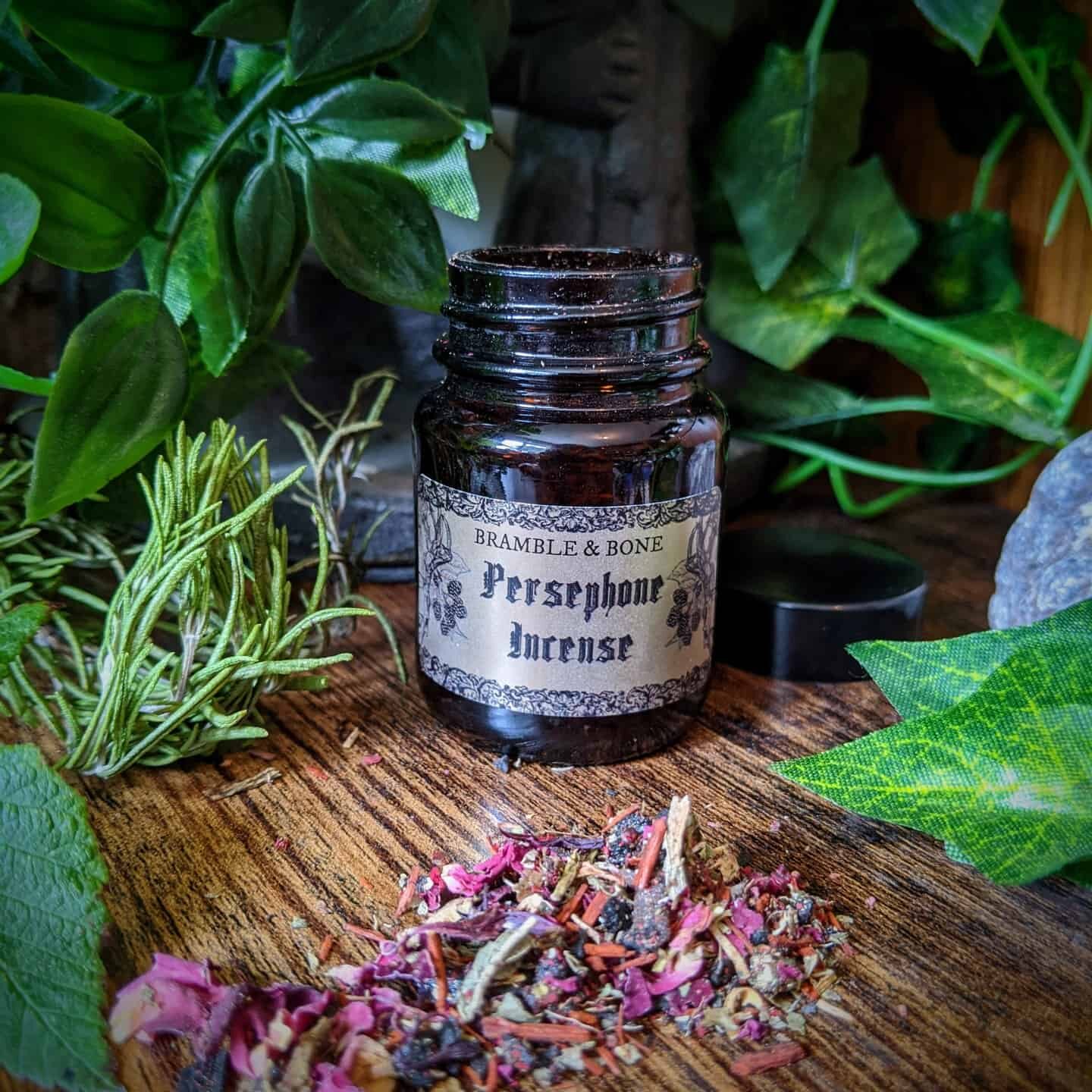
Combining herbs and resins together creates smoke offerings and incense. Creating the basics of a working incense can be a simple procedure- some traditions simply mix herbs together, while in others it's a process with dozens of stages. (The tradition here at Bramble & Bone falls into the latter category)
For the most simple method, simply choose the herbs and resins that fit best with your intention. The herb pages here at Bramble & Bone are packed full of inspiration and ideas- and each page has a 'magical affiliations' section to make it easier for you!
(Please do your own research to make sure that each herb and resin you pick is safe to burn, and it's good practice to burn incense outside)
From this point, you can ether gently mix together the herbs- or you can try your hand at blending them together.
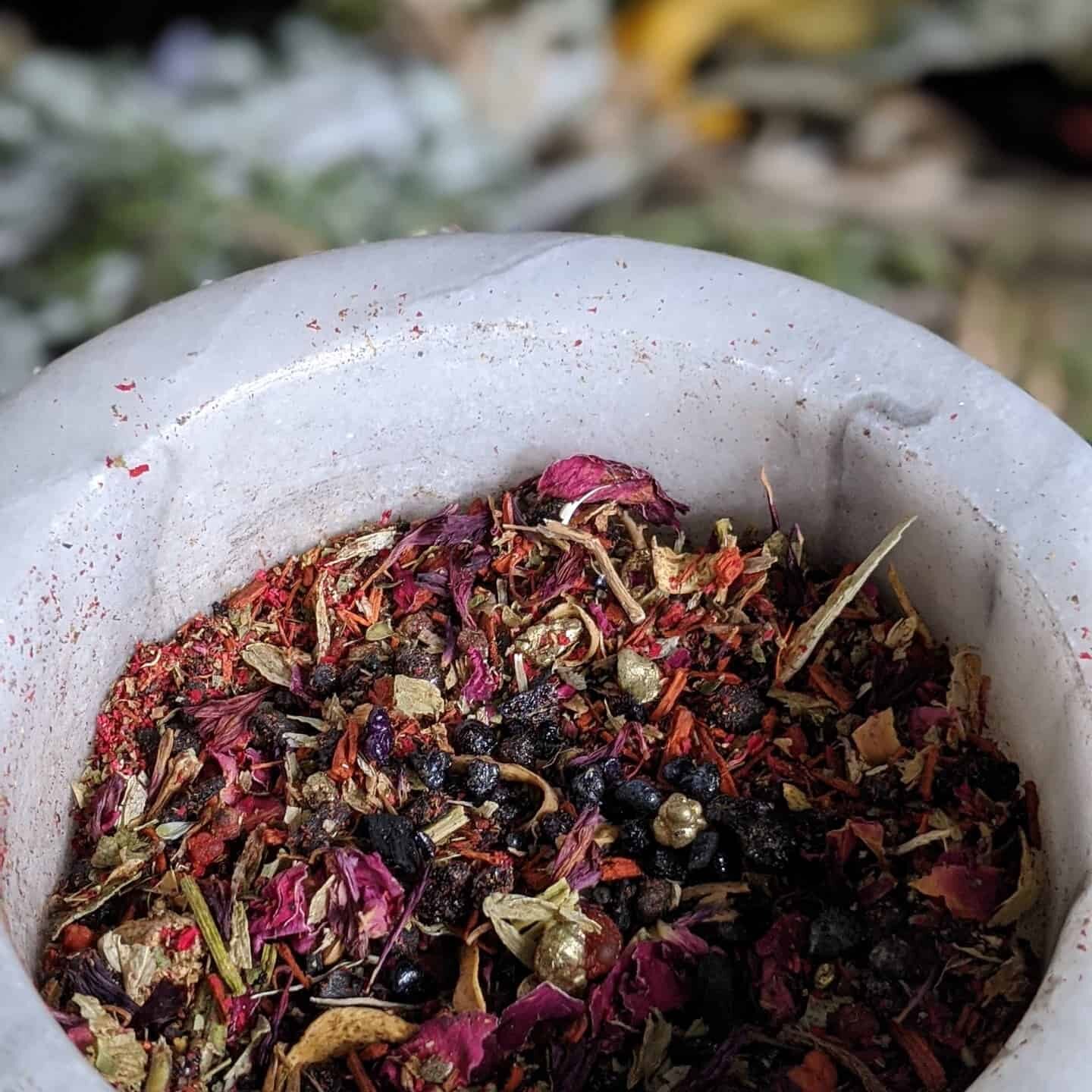
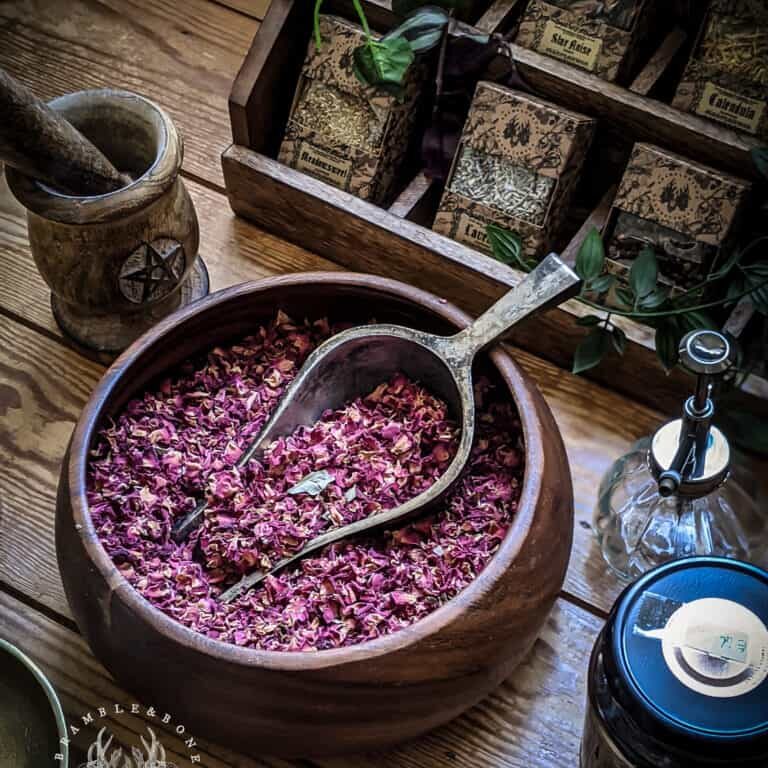
To get a good blend, you'll need a Mortar & Pestle (If you don't have one, you can find them on the altar tools page)
From here, you add in your herbs to your mortar and pestle, and grind them together. This allows the oils to mix and allows the incense to have a much more even burn. It allows the plants spirits to get to know each other and interact.
To light the incense, you'll need a heat proof container, charcoal disks and a lighter.
- Place the charcoal disk inside the heatproof container.
- Light the charcoal disk with the lighter- once it starts glowing, you're ready for the incense.
- Pour or scoop a little bit of the incense on to the disk- take care not to smother it
Sorry, we couldn't find any products. Please try a different search.
If you follow a multi-stage process, you might wish to consider:
- The type of mortar and pestle to use- wood, stone or other?
- The moon or seasonal cycle that matches your intention.
- Cleansing the mortar & pestle and the area of working.
- Blessing each of the herbs or speaking charms over them before adding them in or grinding the herbs.
- Giving offerings to the plants you are to use
- Summoning any spirits that you wish to work with on this incense.
- Which way you grind the herbs- widdershins or deosil.
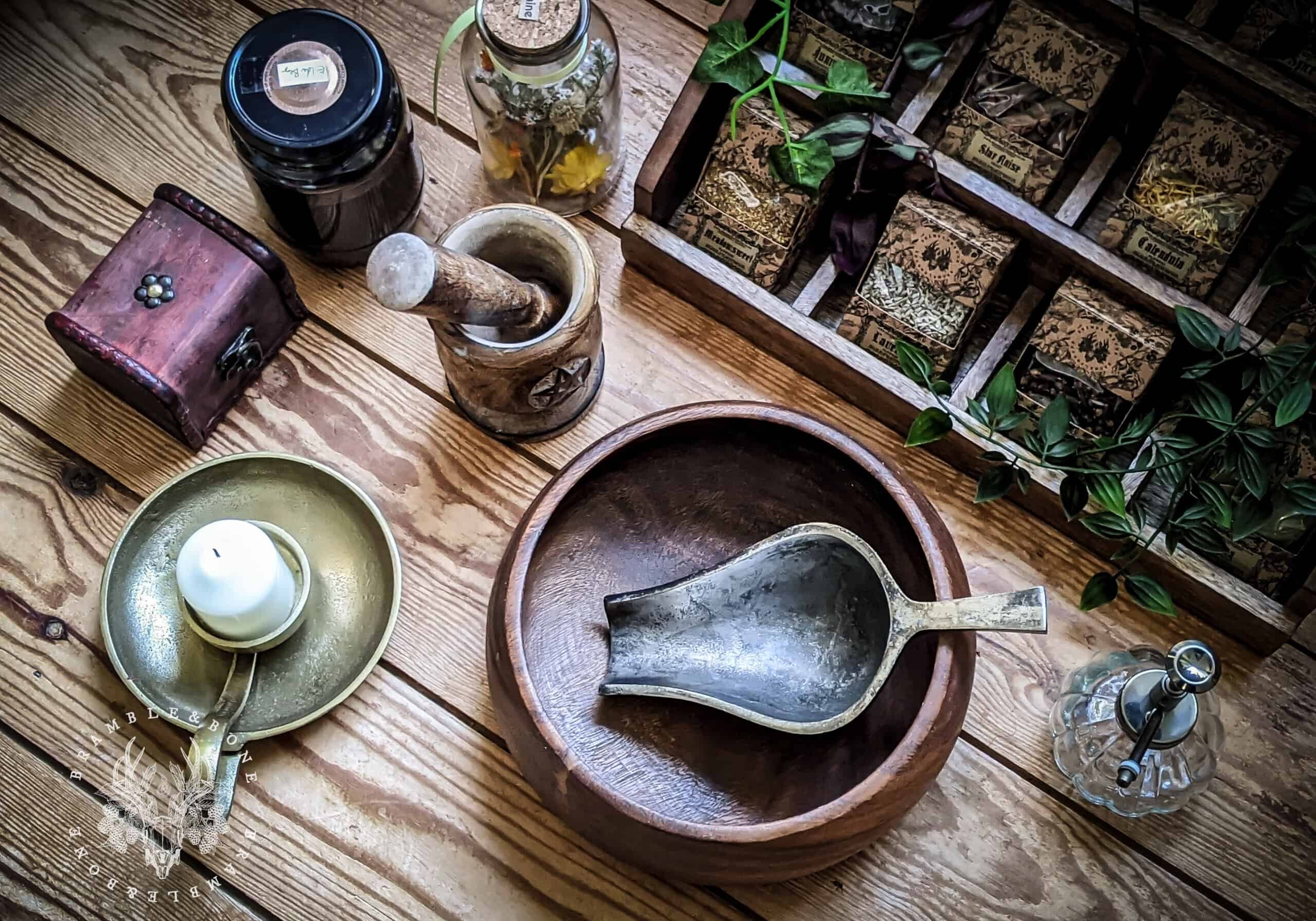
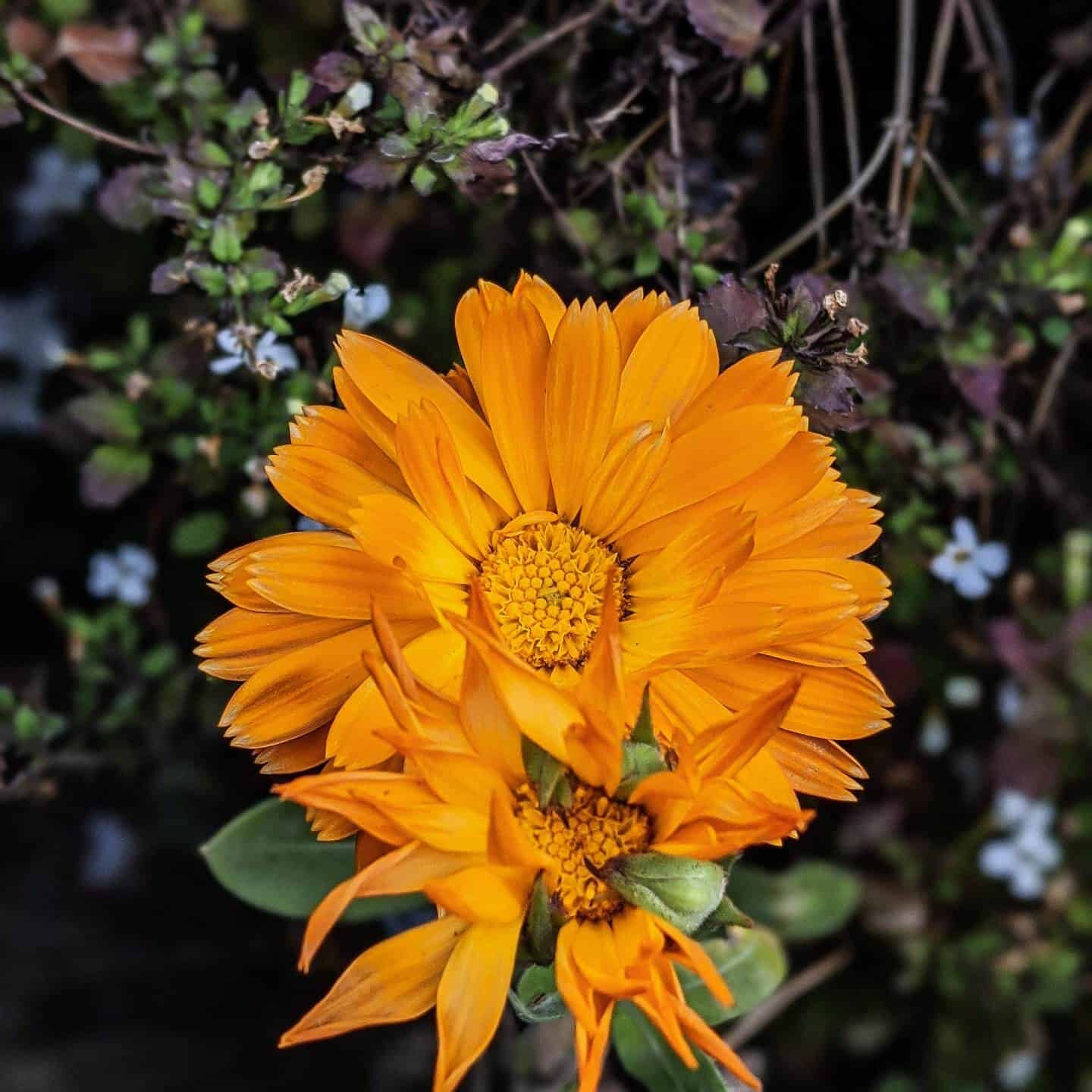
Many types of gathering, sacred herb bundling and creation happens on certain sacred holy days. If the specific day and rituals are followed, it's believed to give the herbs a greater power, and give honour to the spirits of that day.
Combinations or singular herbs and flowers are classic gifts and offerings for the spirits. Many spirits have favourite herbs as offerings. Many practitioners lay out herbs in bowls or as art on the altar.
Infusions of power, spirit or energy, into the herbs or charming them into action is another common method used by magical practitioners when leaving out herbs for an offering. This makes the offering more personal and empowered.
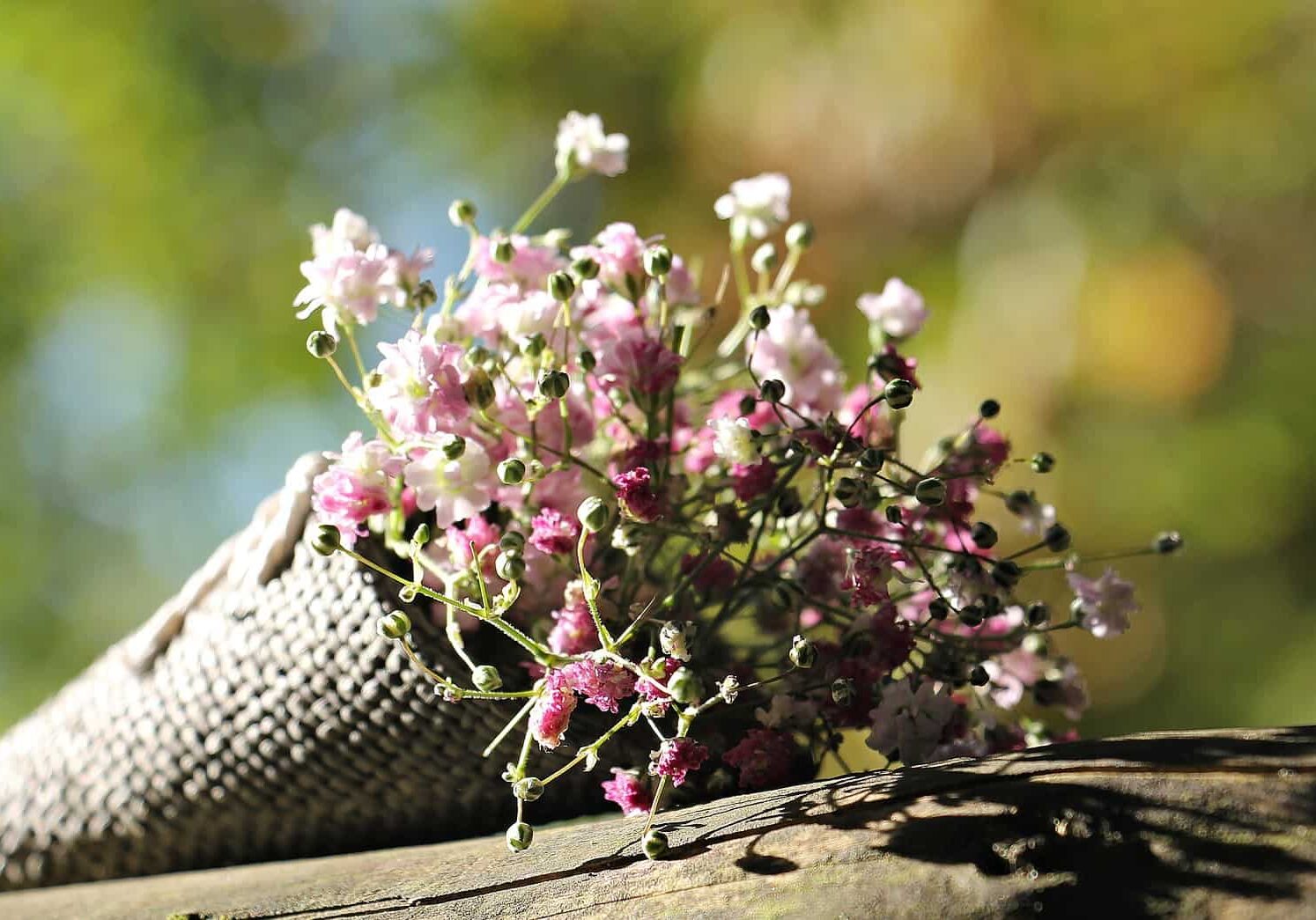
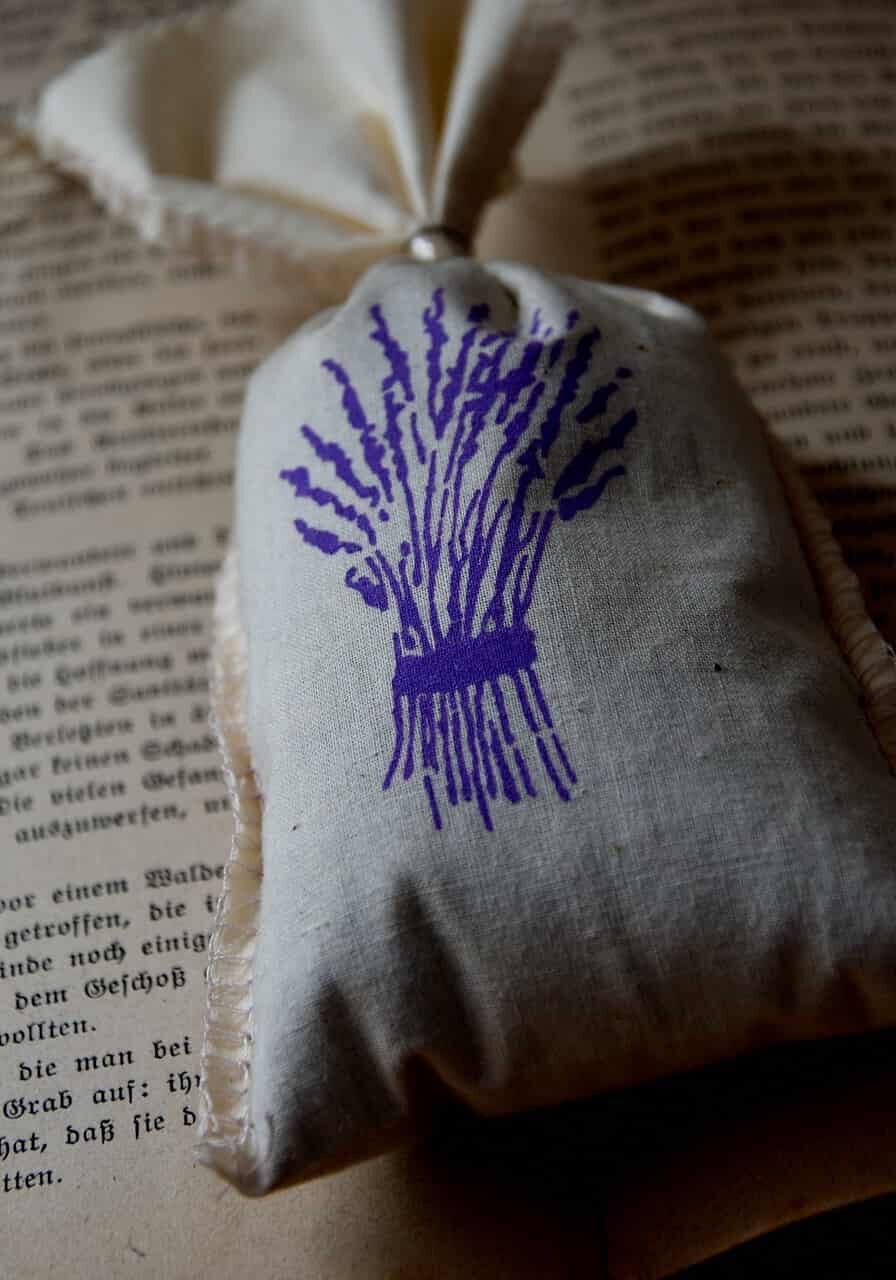
Spell bags and amulets are a common way to incorporate herbs into your magical practice. Herbs would be added to the pouch based on their spirits and their magical applications. This pouch could then be worn on the body, hung over the bed or placed in areas of signigifcance.
Spellbags can either be for a singular intention or a group of combined intentions. Singular use is where you make a herb mix to achieve one specific intention with the support of several plant spirits.
Spellbags for several intentions work on using each herb for a different, specific intention- but carries all of those intentions all the time.
Herbs have been placed in specific areas of home for magical purposes for millennia. Small piles of herbs, or scattered powders.
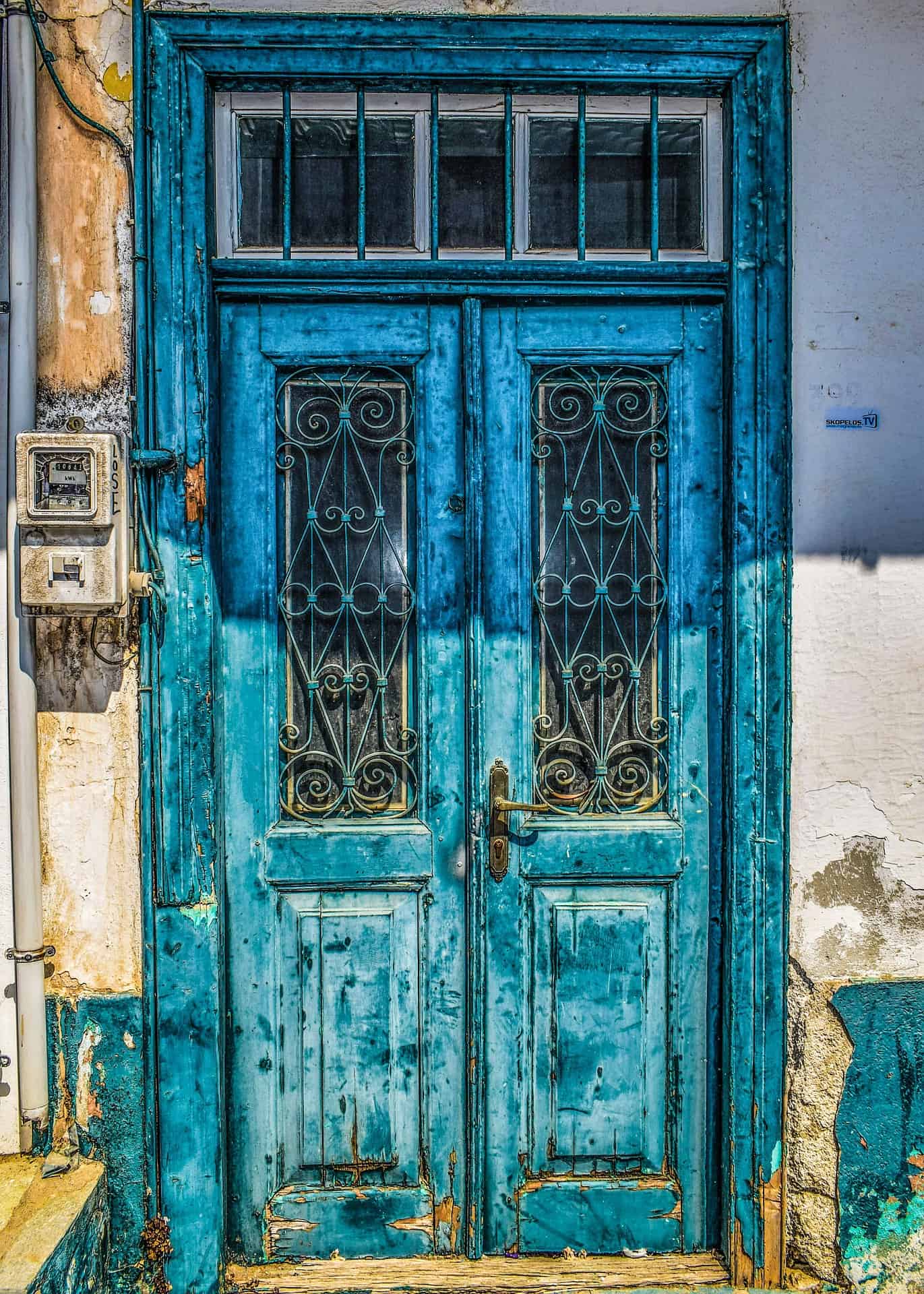
Putting herbs over the doorway, on windowsills, under the floorboards or in key holes are classic places for a practitioner to put herbs so that their spirits could work on specific areas of the home.
Scattering intention infused herbs on the property line is another classic folk magic use.
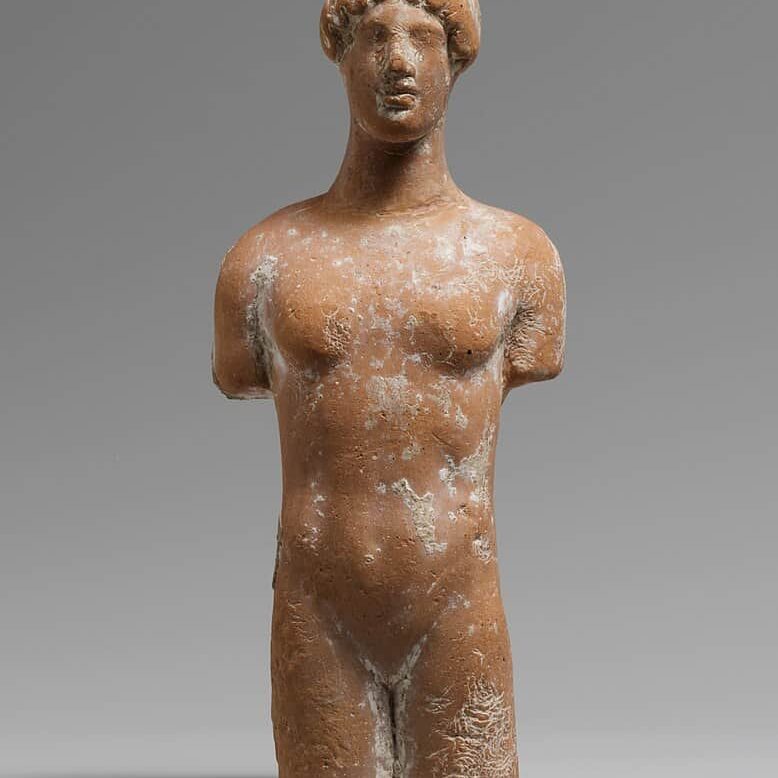
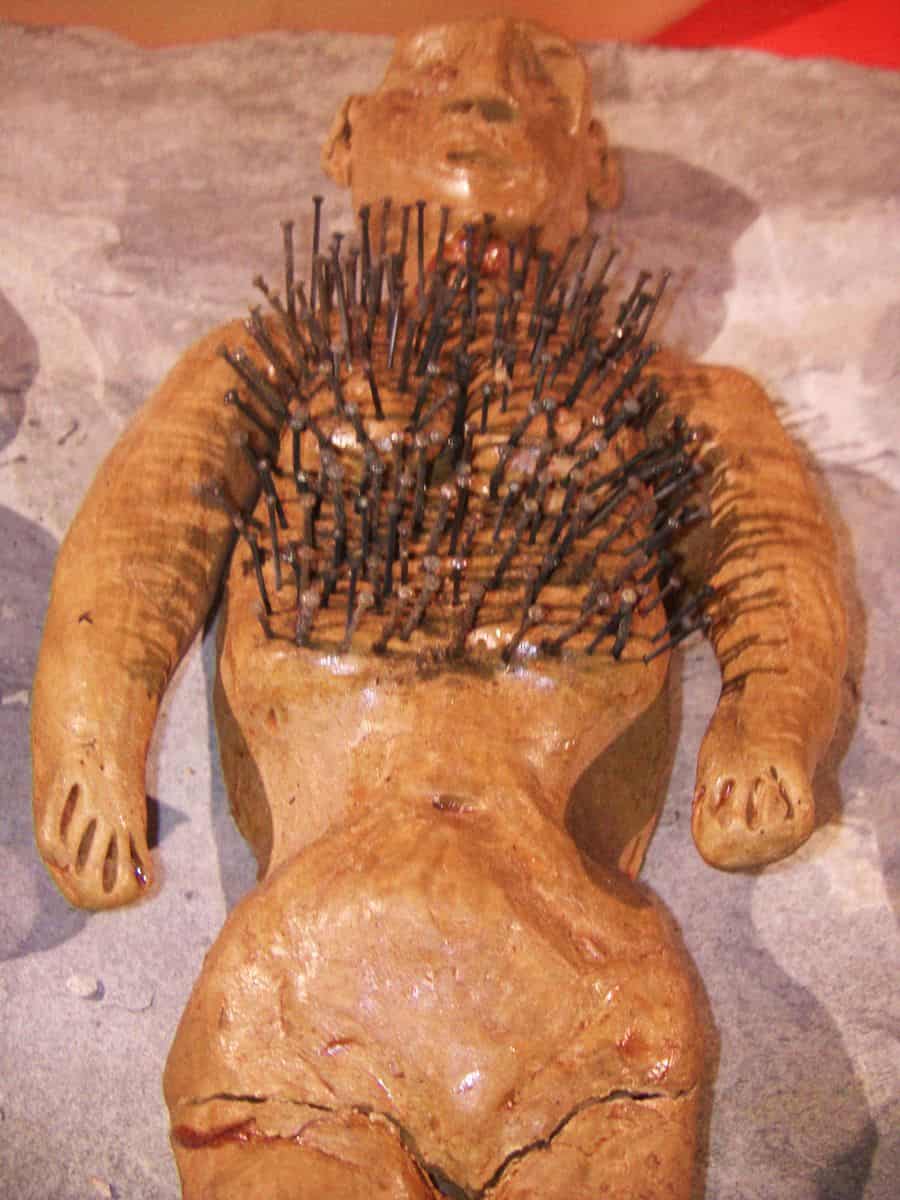
Herbs are a commonly used in the creation and maintenance of poppets.
Herbs are commonly placed inside poppets, either as a way to prepare it to be a fetish or ensouled doll. Many herbs are perfect for the purpose of ensoulment. After the doll becomes ensouled, it then can become a great magical ally for many different types of future magical workings.
poppets for magical purposes- as in creating a body for a larger spirit work force from a combination of herbs are often created from filling a clay body with a prepared herb mixture. Putting a herb mixture into a clay body can give the spell greater mobility, and the ability to chase after a subject. More or less abilities can be given to herbs in this way.
Poppets in sympathetic magic are used to inflict magic upon another person- the poppets target. Although famously used for curses, it's often also used for healing. Placing herbs inside a poppet for healing is a time honoured technique.
Herb infusions and mixtures is probably one of the oldest types of herbal magic. Whether it leans more to the magical, medicinal, or just delicious- herbal infusions are here to stay.
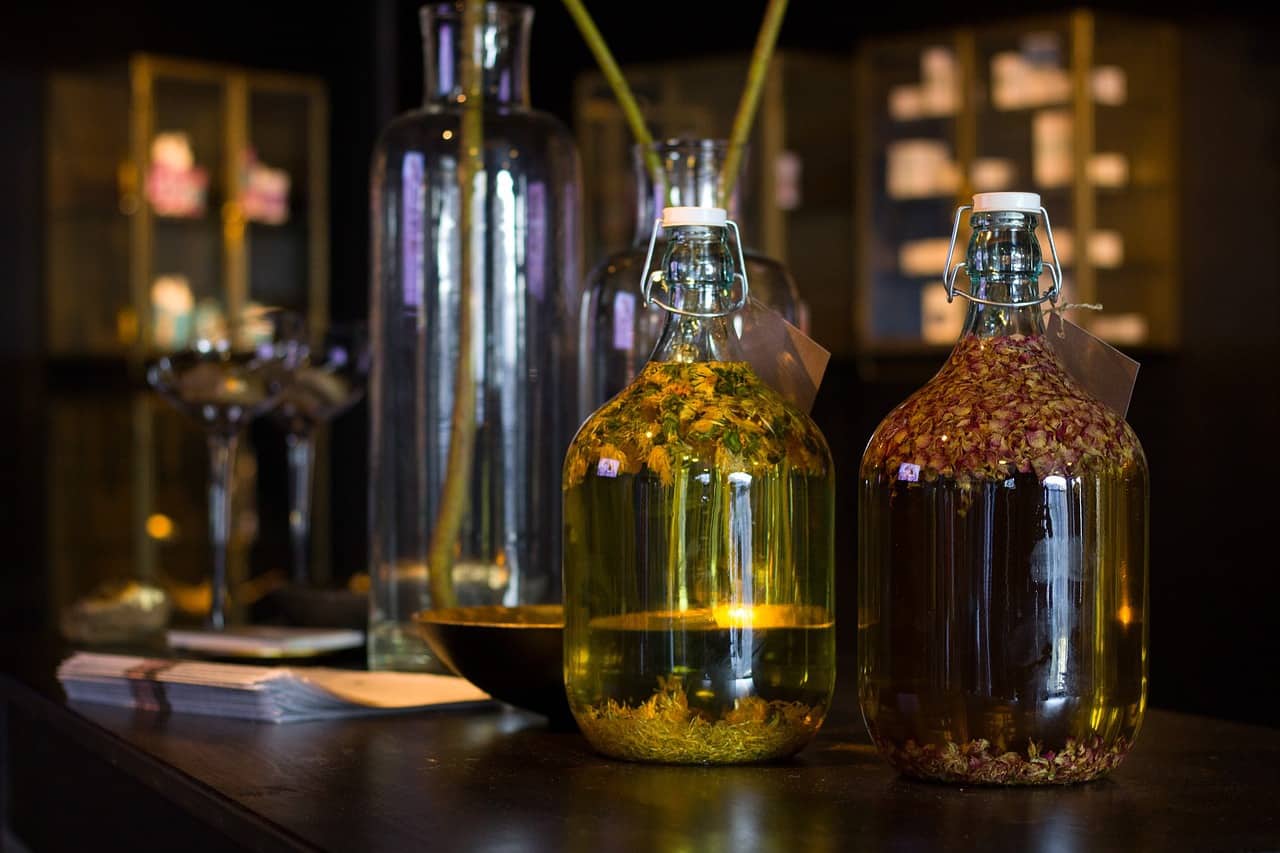
Types of infusions and mixtures can include:
- Alcohol, including wine, mead, beer and vodka
- Oils, either from the plant oil, essential oil, a blend of oils, infused oil, or is kept as a botanical oil
- Vinegar
- Sugar, either crystallised from plants or ground up dried
- Honey, either made from specific plants for pollinators or infused
- Salt, both dried from plants or has plants added to it. Both magical and bath salts
- Water, either as a tea or cold infusion
- Soap, salves and other cosmetic items
- Baths and Washes- often a combination of alcohol, salt and tea like infusions
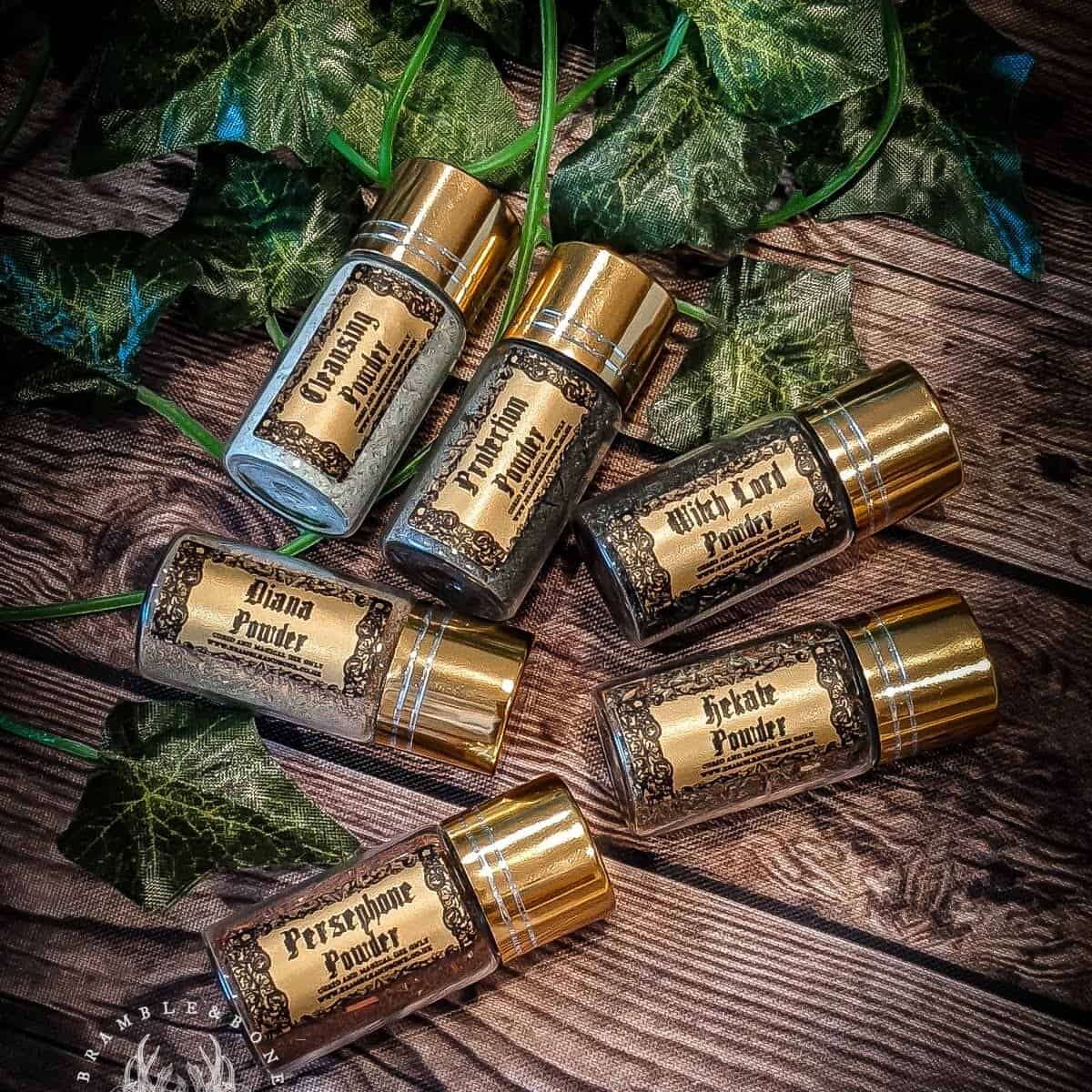
Powders are wonderful for a variety of things- see our 'Using Powders' blog for more in depth information!
Powders can be used for many things- candle work, wisht board work, body work and more!
There are lots of ways to make magical powders- much like incense. The level of devotion one puts into the powder changes the outcome, but a lot of it depends on how comfortable you are interacting with the spirits of the plants.
On the most basic level, it's grinding down specific herbs to a fine powder- normally in a mortar and pestle- to use for another purpose, candle magic or other types of magic.
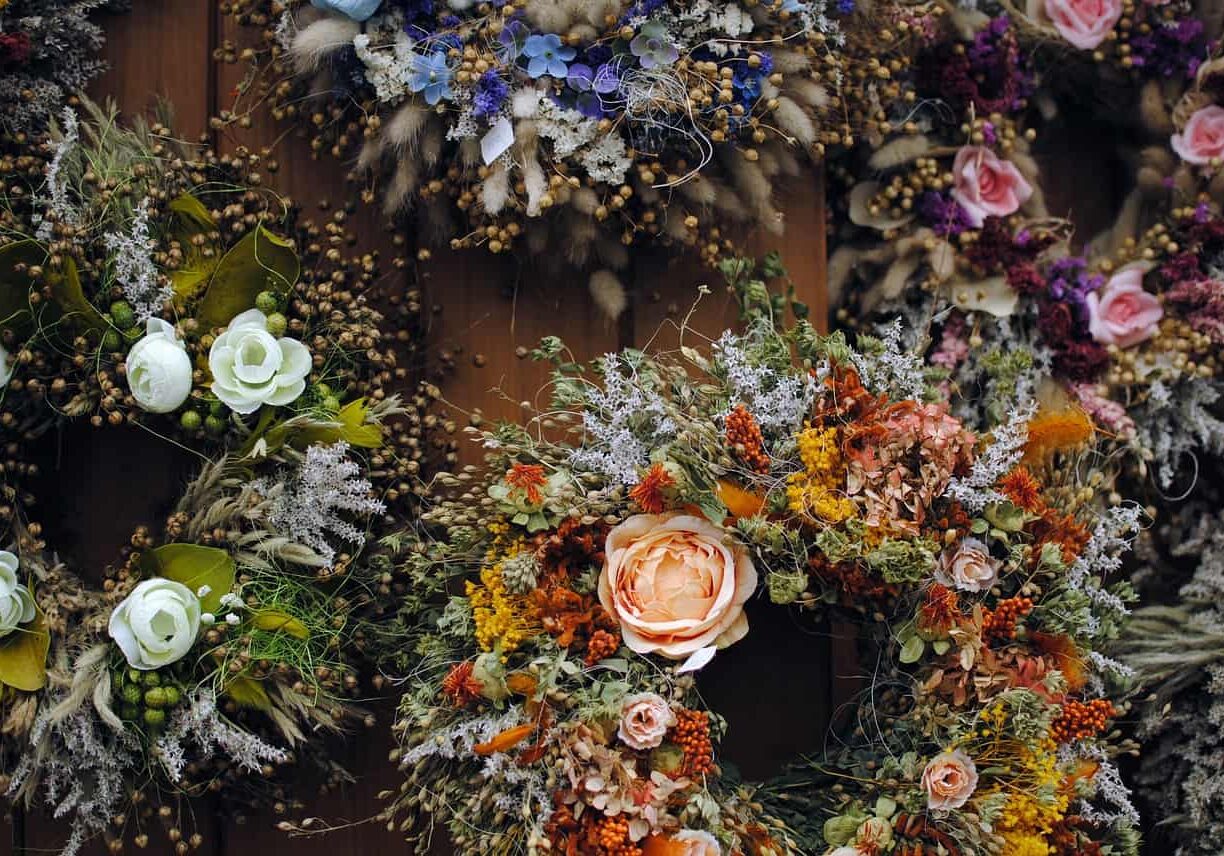
Herbs are often used in the creation of scared objects. Corn Dollies, wreaths and braids are all good examples of what this can be. Herbs are often woven, or combined together in some way like being baked into bread or rolled into clay.
These objects can then be used as magical talismans, and left in specific places around the house, or hung on sacred trees.
Herbs are used by themselves within rituals too- never underestimate the power of a herb spirit.
simply having them on an altar and interacting with their spirits when performing magic can be a powerful tool.
A key component on many wisht boards is the placement of herbs and the sacred symbols they can make. A circle of herbs around a candle is simple yet effective magic.
Meditating with specific plant spirits can truly be a wonderful avenue of adventure. Sit with them and see what they can teach you. Their magical affiliations are often things that they're good at teaching- or at least showing you how they interact with things.